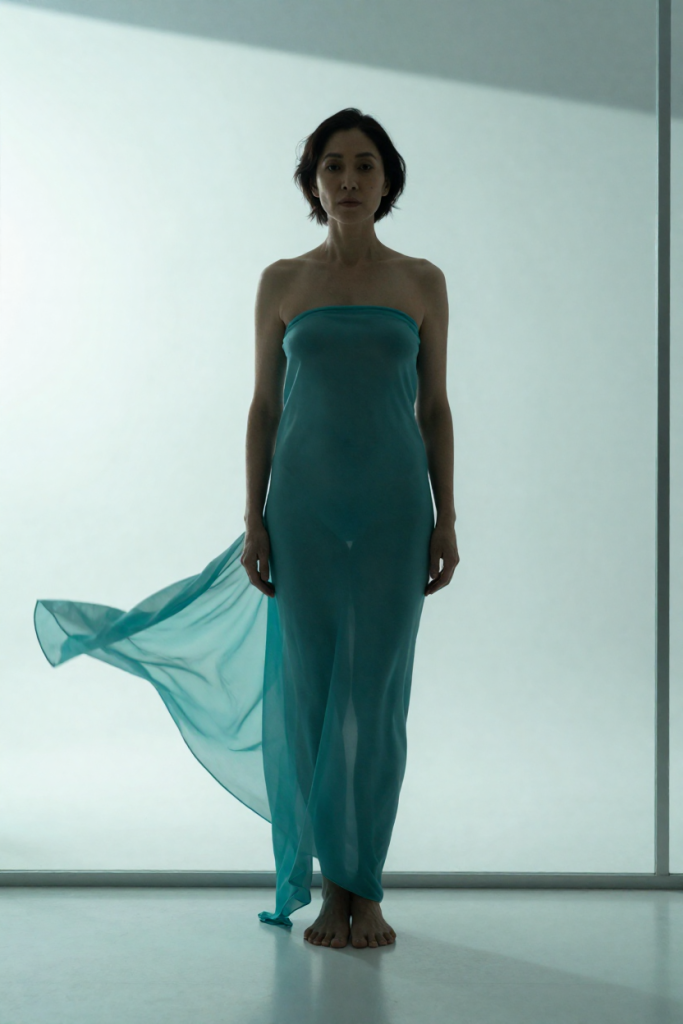
Start with one visual objective
Choose whether the result should be a portrait, a full-body editorial photograph or a stylized scene. A clear objective makes it easier to recognize mistakes. Describe one fictional adult subject with an explicit mature age such as 30. Avoid real names and public figures; likeness is an identity, not a free style reference.
Control the environment
Name one setting, camera distance and main light source. A large window at late afternoon suggests different shadows from a small lamp at night. Mixing both without a reason can create a confused frame. Keep the palette and visual medium consistent with the intended scene.
Read the first output carefully
Inspect anatomy, face, hands, background geometry and unintended text. Revise one group at a time: first composition, then lighting, then details. If the camera perspective is wrong, simply adding more adjectives is unlikely to fix it.
Know the access limits
The homepage offers one eligible watermarked Standard Image from text. Additional attempts, video and uploads require an account with credits. A private generation does not enter the public gallery unless an eligible asset is deliberately published.